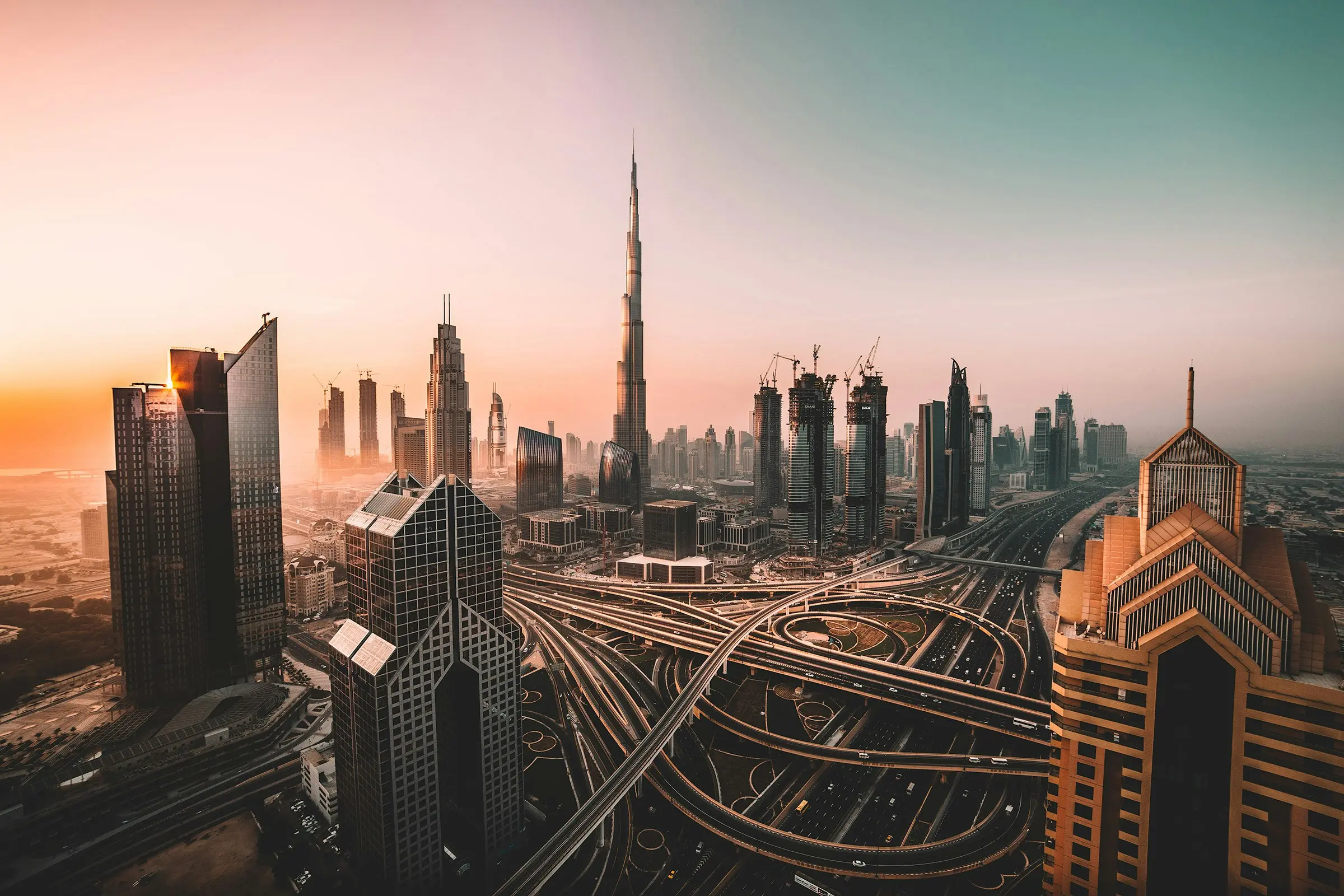
Navigating the 2026 Middle East Tensions: Why UAE Real Estate Remains Untouched
A deep dive into the structural, economic, and diplomatic reasons why the Dubai real estate market continues to thrive despite direct Iran-Israel conflicts in 2026.
Key Takeaways
- Regional instability drives capital flight directly into Dubai.
- Diverse buyer demographics insulate the market from localized shocks.
- Record Q1 2026 transactions highlight unshakeable investor confidence.
Navigating the 2026 Middle East Tensions: Why UAE Real Estate Remains Untouched
TL;DR / Key Takeaways
- Economic Decoupling: Dubai's economy is driven by global tourism and FDI, not regional geopolitics.
- Flight to Safety: Regional instability paradoxically drives capital directly into the UAE.
- Investor Confidence: Record-breaking transaction volumes in Q1 2026 prove that market momentum outweighs geopolitical fear.
Introduction
The escalation of tensions between Iran and Israel in 2026 has undoubtedly shaped the geopolitical landscape of the Middle East. Yet, looking at the Dubai real estate market, one might assume the region was in a state of unprecedented tranquility. Understanding why the UAE market remains largely untouched by these tensions is crucial for investors.
The Anatomy of Resilience
The Paradox of Regional Instability
Historically and currently, regional instability acts as a catalyst for Dubai's real estate sector. When neighboring countries face uncertainty, their wealthiest citizens seek secure jurisdictions to park their capital and relocate their families. The UAE is the closest, safest, and most developed option. The tensions of 2026 are actively driving a "flight to safety" influx of capital from across the MENA region into Dubai.
Structural Economic Independence
Dubai's real estate market is not deeply reliant on the economies of nations involved in the current conflicts. The buyer demographic is heavily diversified across Europe, Asia, the CIS, and the UK. Furthermore, Dubai's non-oil economy (tourism, logistics, technology) continues to boom independently of regional military posturing.
Data Insights
| Metric | Value | Source |
|---|---|---|
| Market Trajectory | AED 55.18B in Jan 2026 (43.9% YoY increase) | DLD Data |
| Buyer Demographics | Over 150 nationalities represented | Market Demographics |
Frequently Asked Questions
Does the threat of conflict slow down construction?
No, the UAE's supply chains and labor forces are highly diversified and insulated from the specific conflicts involving Iran and Israel, ensuring construction timelines remain unaffected.
Is it safe to invest now, or should I wait?
Data shows that waiting during periods of tension often means missing out on capital appreciation, as the influx of safety-seeking capital continues to drive prices up in prime sectors.
Conclusion
The Dubai real estate market does not just survive regional tensions; structurally, it absorbs the resulting capital flight. For global investors in 2026, the UAE remains the ultimate untouchable safe haven.
Frequently Asked Questions
Does the threat of conflict slow down construction?
No, UAE supply chains and labor forces are diversified and insulated from these conflicts.
Editorial Team
AiGentsRealtyThe AiGentsRealty editorial team consists of real estate experts, market analysts, and property consultants with over 20 years of combined experience in the Dubai real estate market.
Related Articles
Why Dubai Remains Untouched: Geopolitics and Property Investment
Understand the structural disconnect between regional geopolitical noise and the continuous growth of Dubai's property investment market in 2026.
Market NewsHow the UAE's Neutrality is Fueling Dubai's Property Market Boom
Analyze how the UAE's strategic diplomatic neutrality in 2026 is directly translating into a massive boom for Dubai's commercial and residential property markets.
Market NewsDubai Real Estate: The Ultimate Safe Haven Amidst 2026 Middle East Tensions
Discover why global investors are choosing Dubai real estate as their primary safe haven strategy to protect capital during the 2026 regional tensions.
Ready to Invest in Dubai?
Get personalized investment recommendations from our AI advisor based on your budget, goals, and preferences.
Ask Genie AI